Table of Contents
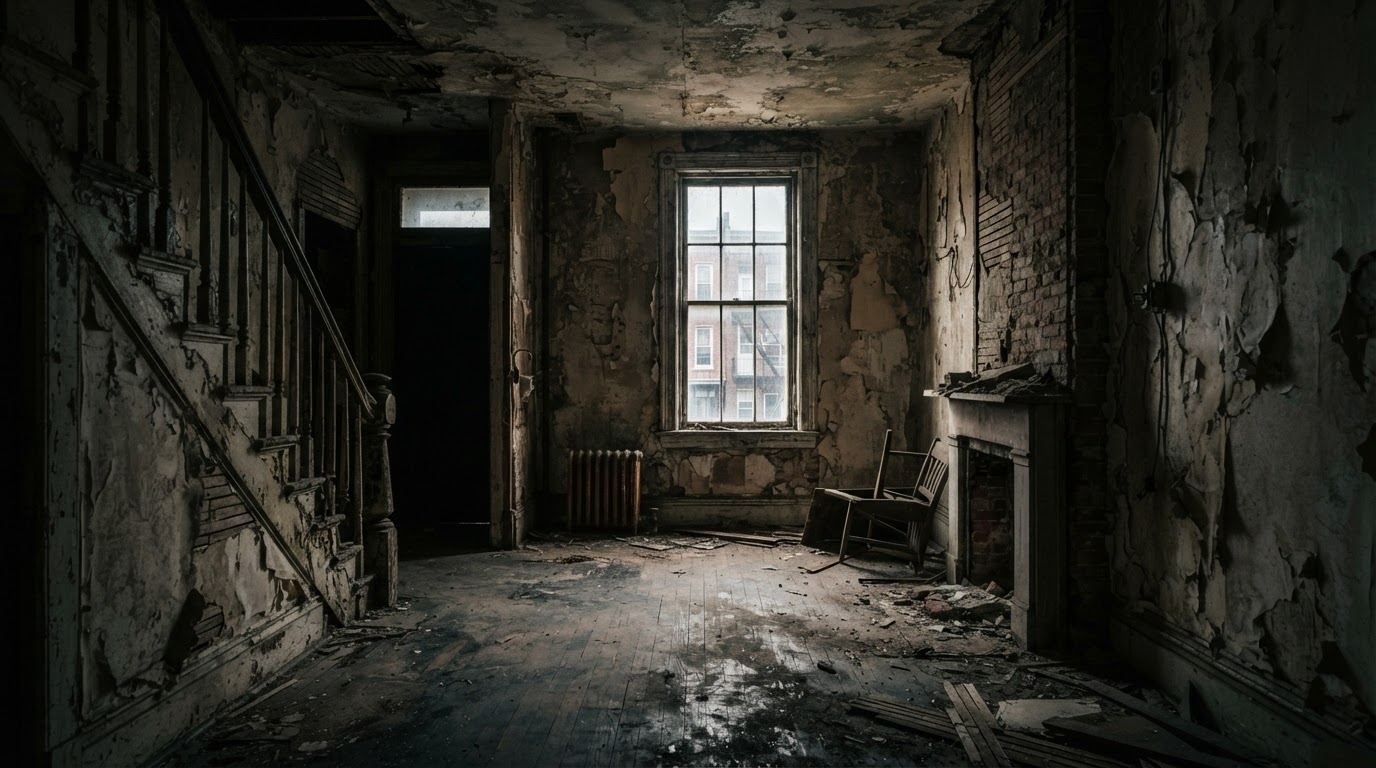
Philadelphia has a lot of housing stock that has been standing for a century or more. Over that time, layers of repair, patch, and remodel stack up. The previous owner fixed what was broken at the time and left the rest.
Why older homes hide things
Philadelphia has a lot of housing stock that has been standing for a century or more. Over that time, layers of repair, patch, and remodel stack up. The previous owner fixed what was broken at the time and left the rest.
That means the walls are a record of every decision someone made, good and bad. Some of it is solid work that holds up. Some of it is a quick patch that was never meant to last this long.
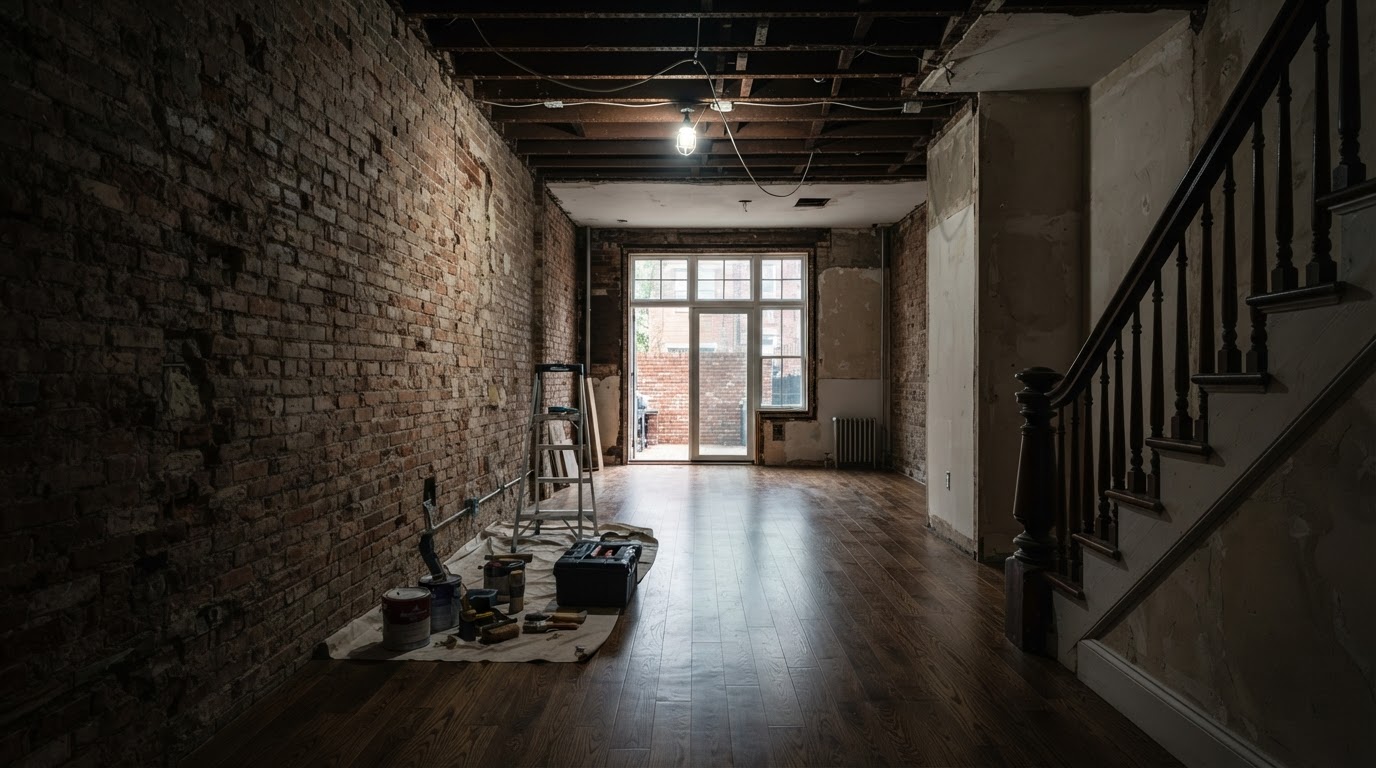
When you open a wall, you find out which is which. Planning for that moment is the difference between a remodel that adapts and one that stalls.
Knob-and-tube and old wiring
Knob-and-tube wiring shows up in homes from the early 1900s. It is not always active, but when it is, it has to be replaced for safety and to meet modern loads. Old panels with limited capacity often come with it.
Upgrading the electrical is scope, not a surprise, in a home this old. We budget for it and plan the rough-in around it. Ignoring it because the lights still work is how a remodel finishes with a panel that cannot handle a modern kitchen.
If you are doing a 203(k), electrical work that addresses a real safety need can fit the scope. We write it into the bid and your consultant confirms eligibility.
Galvanized and lead plumbing
Galvanized pipe corrodes from the inside over decades. By the time a home is this old, the water lines are often narrowed with buildup, and the drain lines are fragile. Lead service lines were common in some eras and are a known issue in older cities.
Replacing old plumbing is part of doing the job right. We check the supply and waste lines as we open walls and replace what needs replacing. A remodel that leaves failing plumbing in place finishes with new kitchens draining through old, choked pipes.
Curb traps and sewer lines are part of this in Philadelphia. If the curb trap is original, it may need attention. We assess it as part of the scope instead of finding out after the floors are done.
Water damage and framing
Water leaves a trail. Stains at window heads, soft spots in a floor near a wall, and efflorescence on a basement wall all point to where water got in. Over decades, the wood sill plates and floor joists take the damage.
We check the framing as we open walls and repair what we find. Rotted sills and compromised joists get sistered or replaced. A remodel that covers up water damage with new drywall hands the problem to the next owner.
A contingency for hidden conditions is standard on an older home for this reason. We flag what we find as we find it, and the scope adjusts with documentation.
What stays and what goes
Not everything old has to come out. Intact plaster can be patched and preserved. Solid old-growth joists are often better than what you would replace them with. Original trim, when it is sound, gives a home character that new work rarely matches.
The skill is knowing the difference. We preserve what is worth keeping and replace what is not. A remodel that gut it all loses the character. One that keeps everything leaves the problems in place.
That judgment is what makes an older Philadelphia remodel come out right. It is not about being maximal or minimal. It is about being honest about what is behind each wall.
Should I budget for surprises?
Yes. A contingency for hidden conditions is standard on an older home. We flag what we find as we find it and document it so the scope adjusts cleanly.
Can you keep the old plaster?
Sometimes. Intact plaster can be patched. Badly cracked or water-damaged plaster usually comes out. We evaluate each wall as we go.
Does old wiring have to be replaced?
Active knob-and-tube and undersized panels should be replaced for safety and modern loads. We plan the electrical rough-in as part of the scope.
LET'S TALK ABOUT YOUR PROJECT
Tell us what you are planning. We will review the scope and follow up with next steps.