Table of Contents
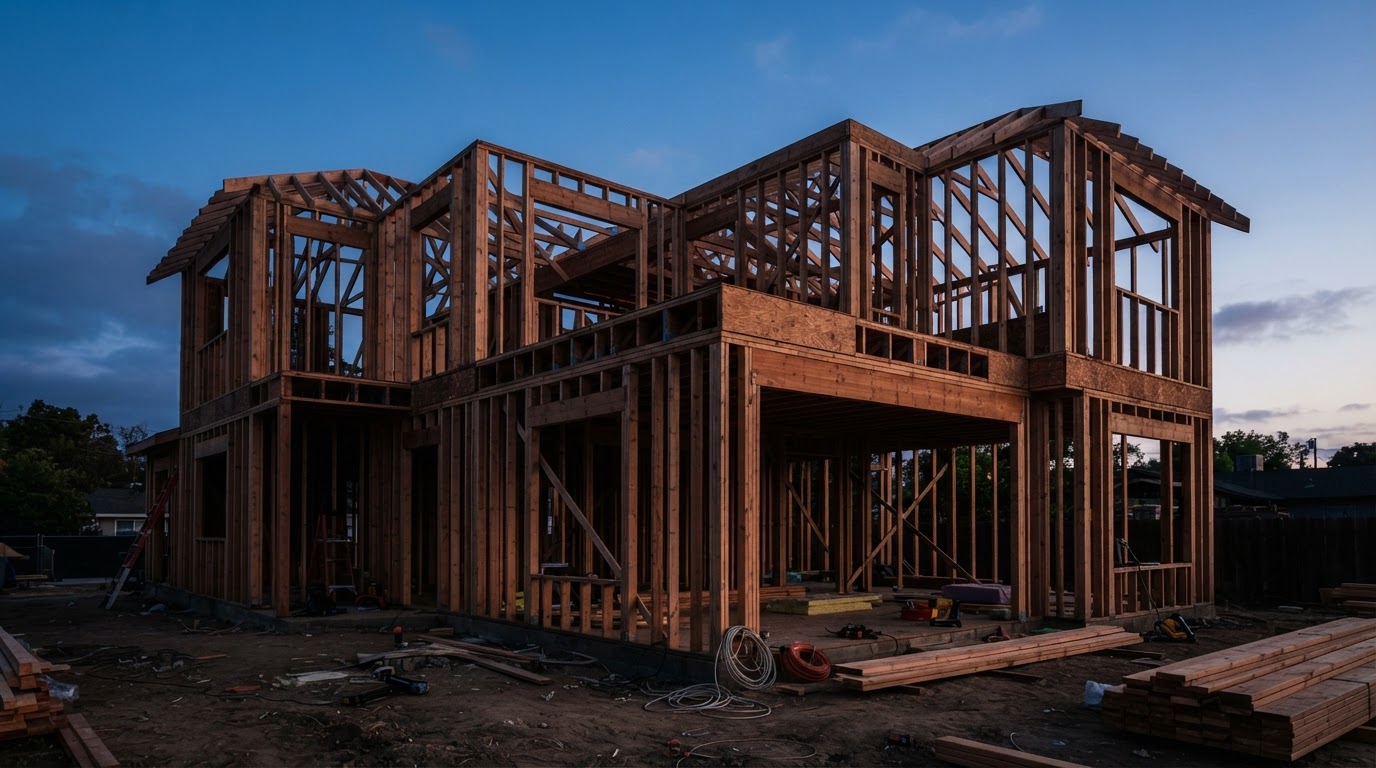
Trade overlap and handoffs are where time is lost. We sequence the work so each trade hands a ready space to the next. The framing crew leaves a space ready for the rough-ins, the rough-ins leave it ready for the inspections, the inspections release the drywall.
Sequence the trades
Trade overlap and handoffs are where time is lost. We sequence the work so each trade hands a ready space to the next. The framing crew leaves a space ready for the rough-ins, the rough-ins leave it ready for the inspections, the inspections release the drywall.
When trades overlap badly, one waits on another and the schedule slides. When the sequence is clean, each trade arrives to a ready space and leaves it ready for the next. That flow is what keeps a commercial job moving.
We hold the schedule and the trades together. A commercial build-out is a chain, and each link has to connect on time for the opening to land.
Order materials early
Long-lead items, custom fixtures, specialty equipment, and ordered-to-spec materials can take weeks to arrive. We order them early so the build does not wait on a delivery. A build-out that orders materials as it goes runs out of time.
We identify the long-lead items at the start and order them before the demolition is done. The lead time is planned into the schedule, not discovered when the crew is standing around waiting for a fixture.
This is a discipline that separates a build-out that opens on time from one that slips. The materials are coming. We make sure they are coming in time.
Protect the critical path
The critical path is the sequence of tasks that determines the finish date. Any slip on the critical path slips the opening. We identify it, protect it, and manage everything else around it.
A task that is not on the critical path can slip a little without moving the opening. A task on the critical path cannot. Knowing the difference is how we decide where to focus and where a slip is tolerable.
When the critical path is threatened, we pull resources to it. The opening date is the fixed point, and the schedule bends around it, not the other way around.
Inspections on schedule
Commercial inspections are frequent and they gate the next phase. The framing inspection releases the rough-ins. The rough-in inspections release the drywall. The final inspections release the occupancy. Missing an inspection window stalls the whole job.
We schedule inspections in advance and have the work ready for them. An inspection that fails because the work was not ready costs days. An inspection that passes because we planned for it keeps the job moving.
The city's schedule is part of our schedule. We plan around the inspection availability, because a build-out does not get to choose when the inspector comes.
Communication keeps it moving
A commercial build-out has a lot of stakeholders. The owner, the landlord, the city, the trades, the designer. When communication breaks down, the schedule breaks down with it. We keep everyone informed so decisions happen on time.
A decision that waits a week slips the schedule a week. We surface the decisions that need answers early, so they get made before they hold up the work.
The schedule is a living plan. We update it as the work progresses, and we tell you when something changes and what it means for the opening. No surprises is how a commercial job stays on track.
What is the most common reason a commercial build slips?
Long-lead materials and missed inspections. We order long-lead items early and schedule inspections in advance to keep the critical path protected.
How do you handle a slip on the critical path?
We pull resources to the critical path to recover the time. The opening date is the fixed point, and the rest of the schedule bends around it.
Can changes be made without slipping the schedule?
Some can, if they are off the critical path. Changes on the critical path need to be weighed against the opening date. We help you decide which are worth the time.
LET'S TALK ABOUT YOUR PROJECT
Tell us what you are planning. We will review the scope and follow up with next steps.